Tudor Diving Watches
Filter results

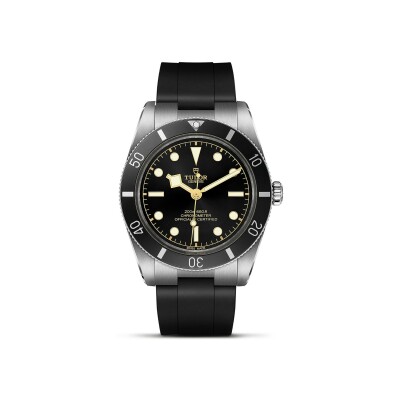
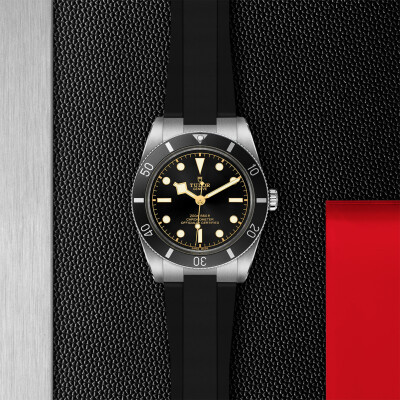
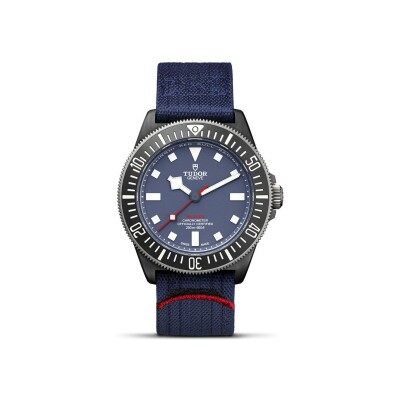
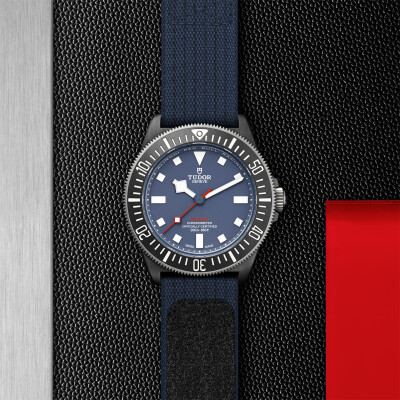
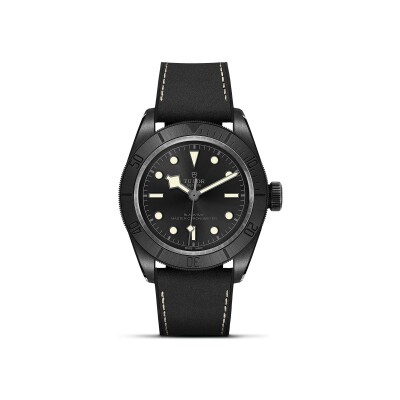
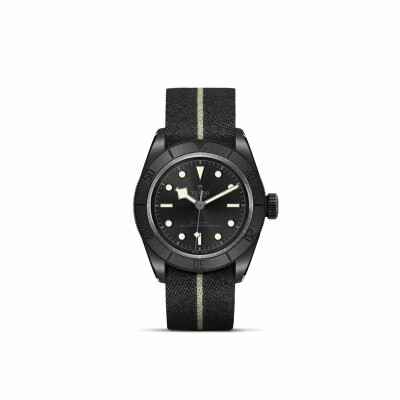
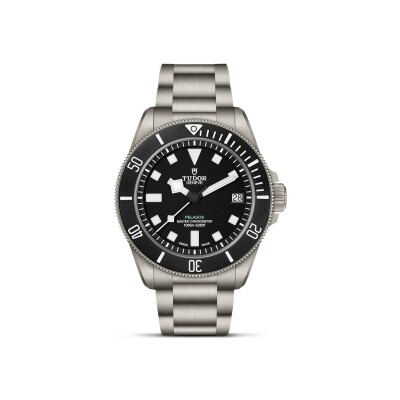
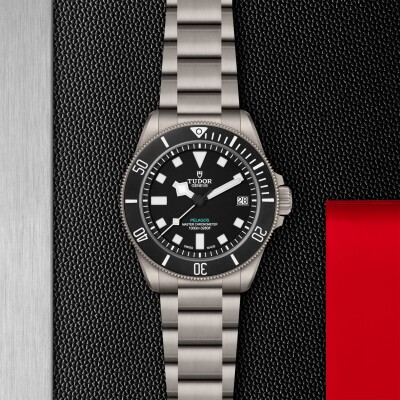
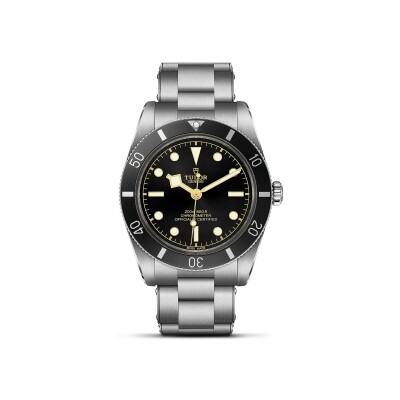
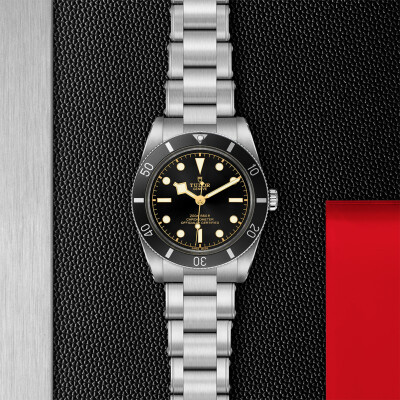
How to Choose Your Tudor Dive Watch
Choosing a Tudor dive watch involves evaluating several technical criteria, many of which are defined by the ISO 6425 standard governing professional diving watches.
The first consideration is water resistance. Depending on the model, Tudor dive watches are water-resistant to 200 metres (Black Bay 58 and Pelagos 39) or 500 metres (Pelagos 42). For recreational scuba diving, typically conducted at depths of up to 40 metres, a 200-metre rating is more than sufficient. A 500-metre rating is intended primarily for technical or professional diving applications.
The second factor is the case material. Stainless steel, used on the Black Bay 58, provides excellent impact resistance and a reassuring weight on the wrist. Titanium, found on the Pelagos 39 and Pelagos 42, significantly reduces overall weight, making it particularly comfortable for extended wear, especially over a wetsuit.
Another essential feature is the unidirectional rotating bezel. It allows divers to measure elapsed dive time by aligning the zero marker with the minute hand before submersion. Every Tudor dive watch is equipped with this safety feature, along with a highly scratch-resistant ceramic bezel insert.
The helium escape valve is available exclusively on the Pelagos 42. It releases helium that can accumulate inside the case during prolonged saturation diving in hyperbaric chambers. This feature is designed for professional diving and is not required for recreational scuba diving.
Bracelet extension is another practical consideration. The Pelagos models feature an integrated extension system that allows the watch to be worn comfortably over a diving suit without the need for tools.
Finally, consider the weight on the wrist. A titanium Pelagos is noticeably lighter than a similarly sized stainless steel Black Bay, making it an attractive option for those seeking maximum comfort during everyday wear as well as underwater use.
Which Watch Is Right for You?
Looking for a versatile 39 mm stainless steel watch suitable for everyday wear and recreational diving? → Black Bay 58
Prefer the lightweight comfort of titanium for extended wear? → Pelagos 39
Need 500 metres of water resistance and a helium escape valve for professional diving? → Pelagos 42
Want a dive watch with a date display? → Pelagos 42
FAQ
What is the difference between the Black Bay 58 and the Pelagos 39?
The Black Bay 58 features a stainless steel case, 200 metres of water resistance, and is powered by the MT5400-U or MT5402 manufacture calibre. The Pelagos 39 uses a Grade 2 titanium case, is also water-resistant to 200 metres, and is powered by the MT5400 calibre. It does not include a date display but features an integrated bracelet extension system specifically designed for diving.
Is 200 metres of water resistance sufficient for scuba diving?
Yes. Recreational scuba diving is generally limited to depths of around 40 metres, making a 200-metre water-resistance rating more than adequate. Watches rated to 500 metres are intended for technical or professional diving environments.
What is the purpose of the helium escape valve on the Pelagos 42?
The helium escape valve allows helium gas that has entered the watch case during prolonged saturation diving in hyperbaric chambers to safely escape during decompression. Without this feature, the internal pressure could potentially damage the sapphire crystal as the diver returns to the surface.
Is the titanium used on the Pelagos more fragile than the stainless steel used on the Black Bay?
No. Tudor's Grade 2 titanium offers durability comparable to stainless steel while being considerably lighter and more resistant to corrosion in marine environments. Its satin-brushed finish, however, tends to show minor surface marks differently from polished or brushed stainless steel.
Should a Tudor dive watch be serviced after regular use in seawater?
After every dive in saltwater, the watch should be thoroughly rinsed with fresh water to help preserve both the bracelet and the screw-down crown. In addition, a water-resistance test performed by an authorised watchmaker every two to three years is recommended, alongside the five-year warranty provided with every Tudor watch.
Read more

Customer service Monday to Friday, from 9am to 5pm

Click & Collect Available in store in St Laurent du Var

Secure paymentSecure transaction and installment payments available

Free delivery Shipping within 48 hours and returns within 14 days

Free gift wrappingPrepared with care, ready to give

Pay in 3, 4 or 10 installmentsEnjoy secure instalment payments with Alma
 Back
Back