Diving watches
Filter results

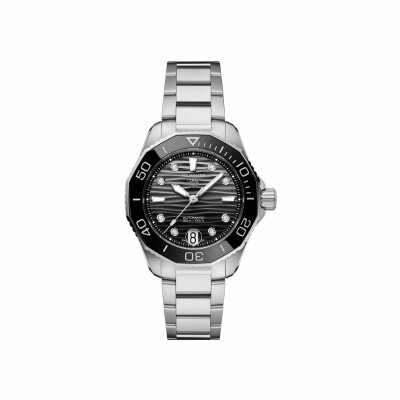
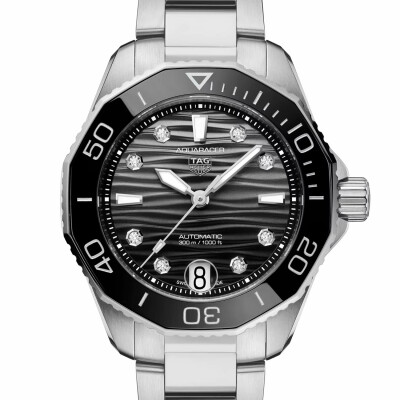
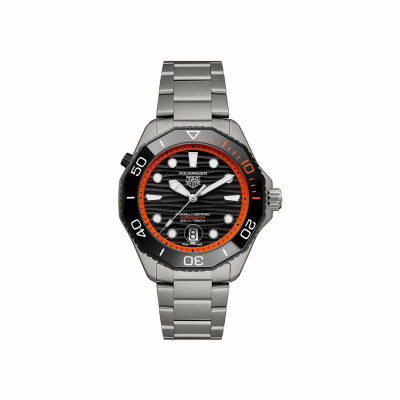
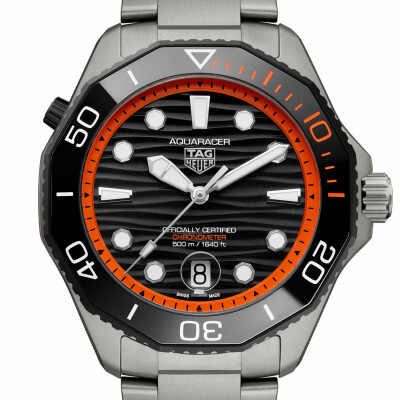
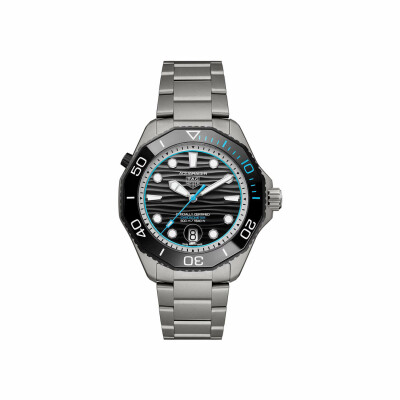
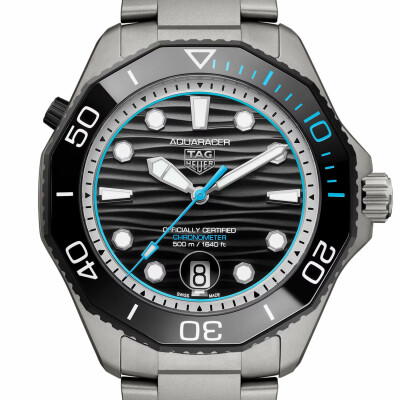
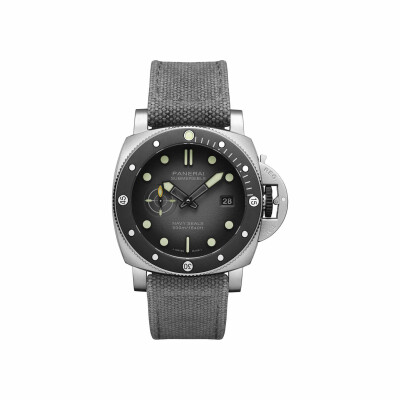
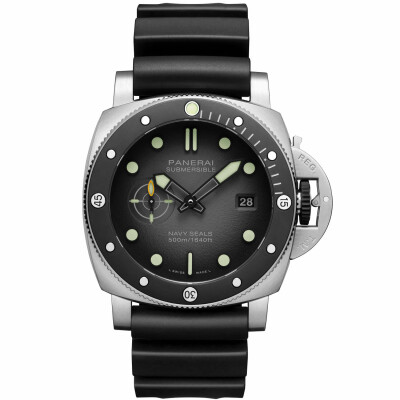
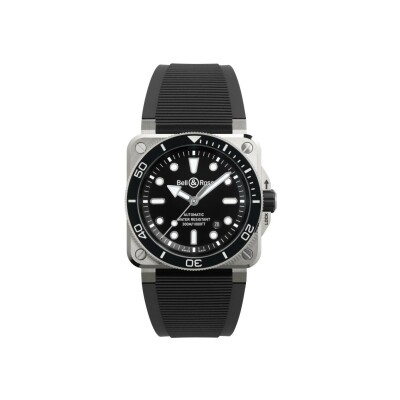
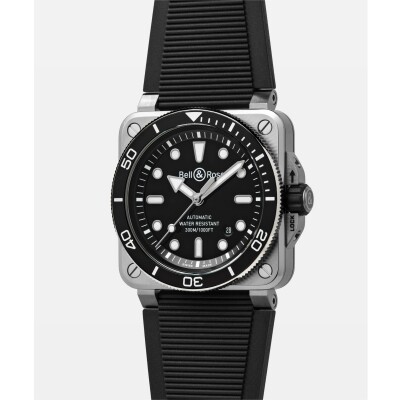
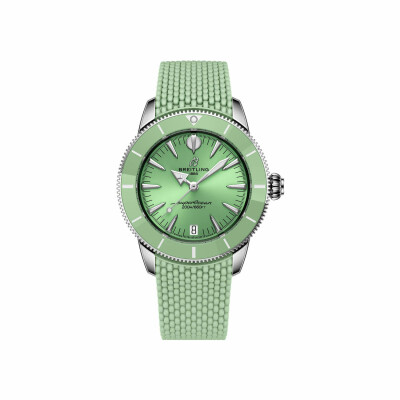

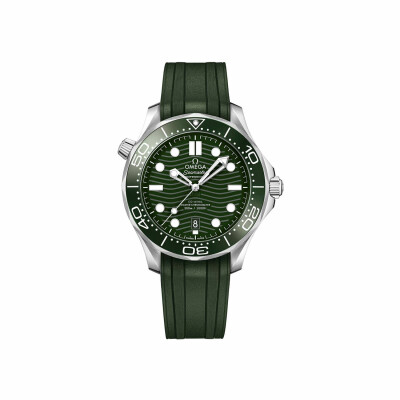
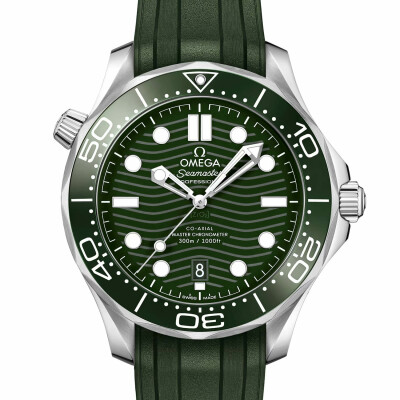
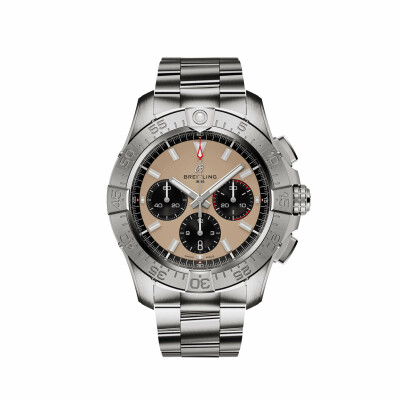
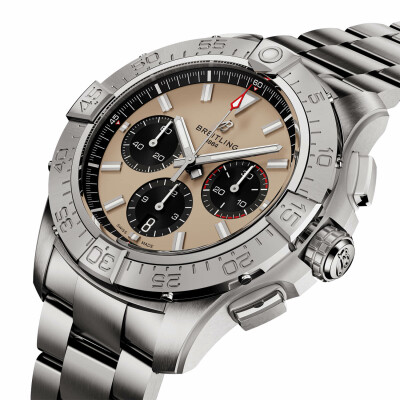
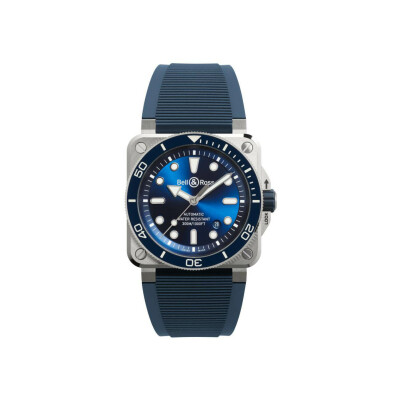
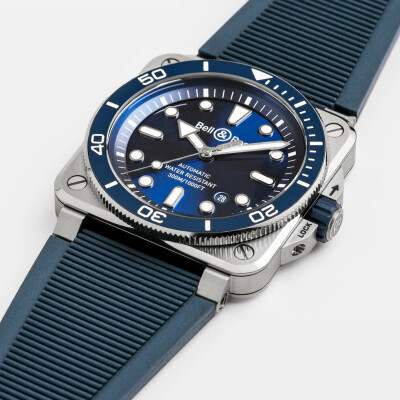
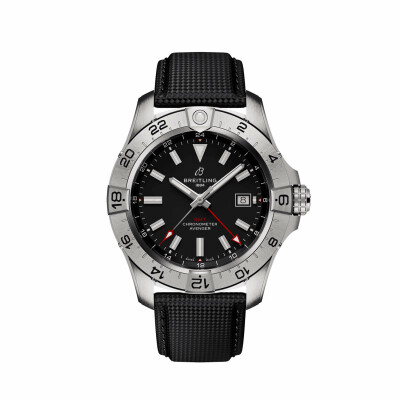
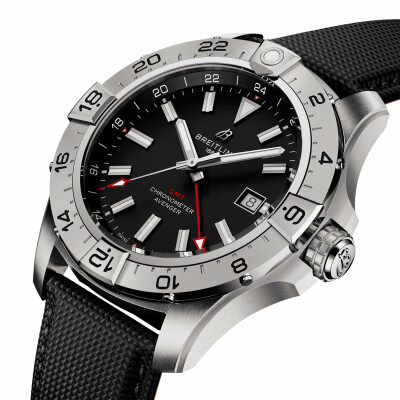
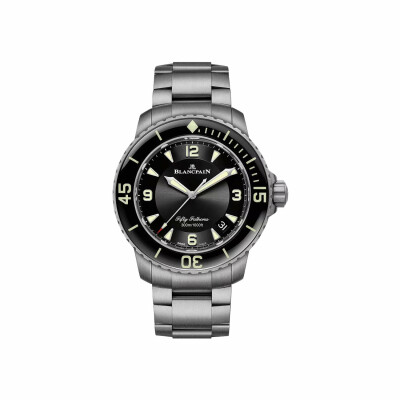
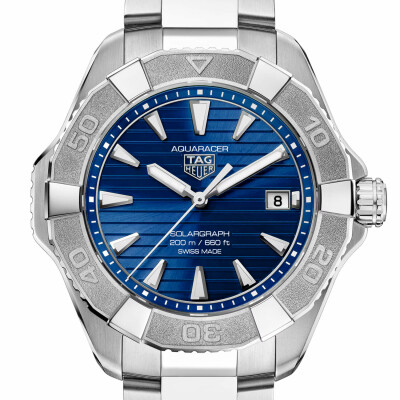
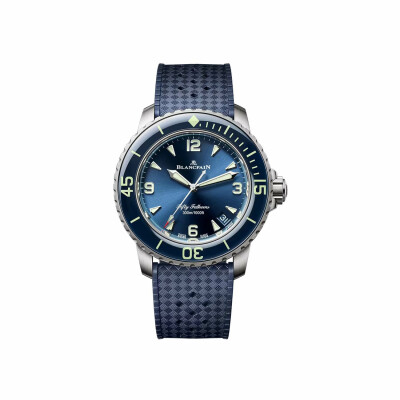
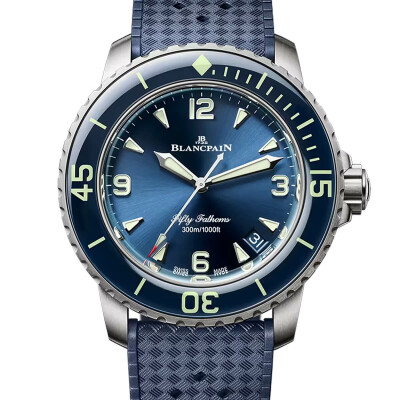
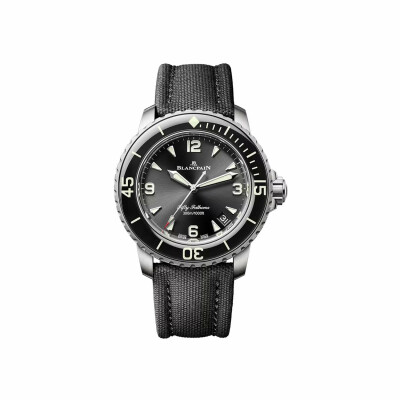


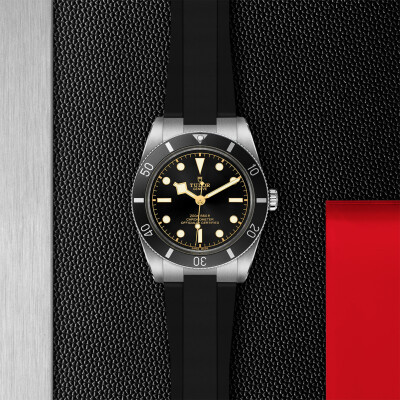
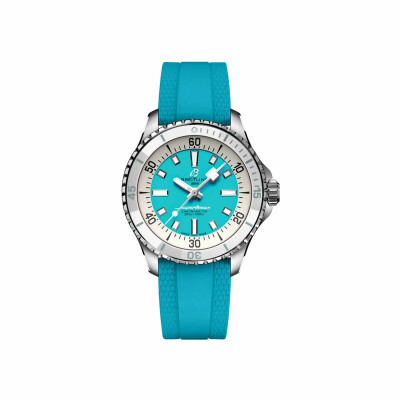
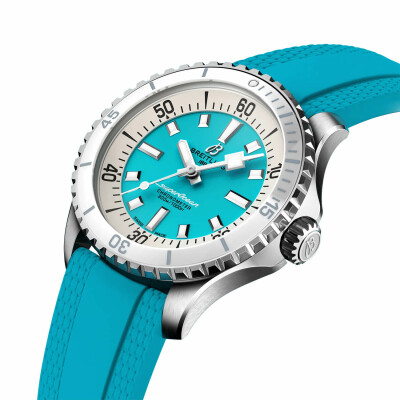
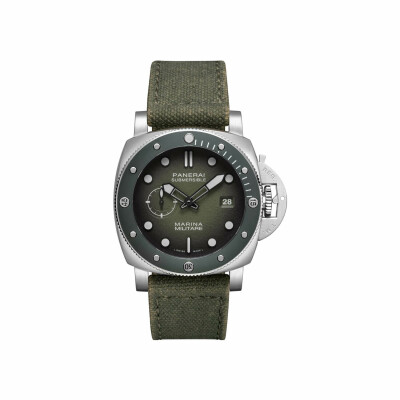
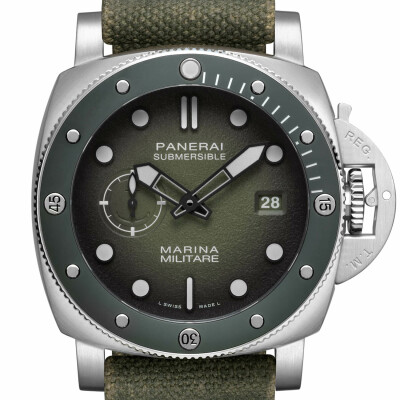
How to choose a diving watch?
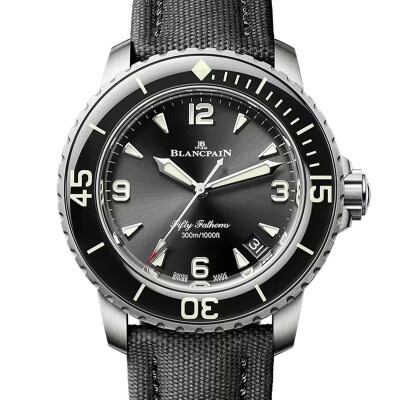
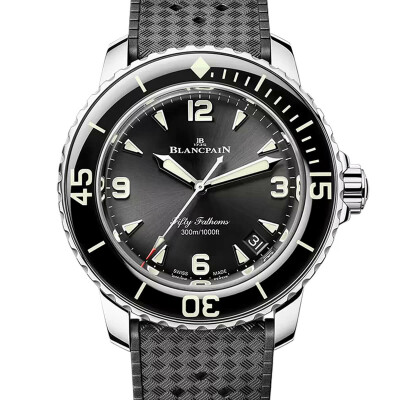
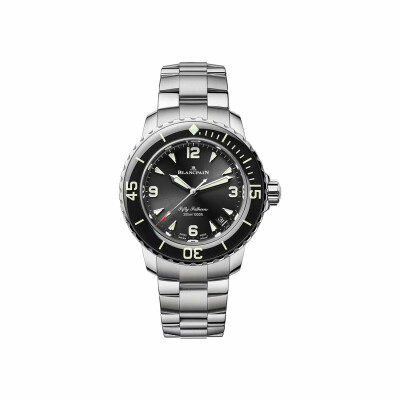
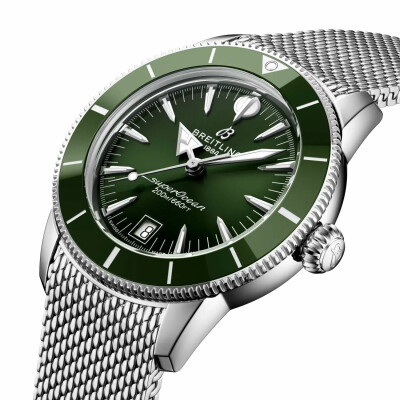
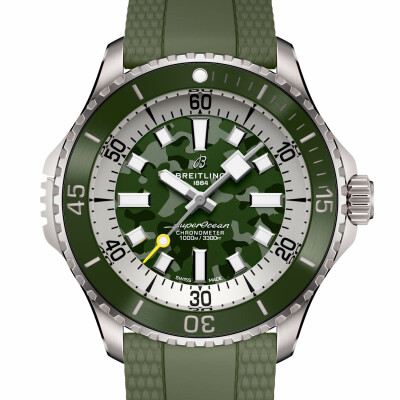
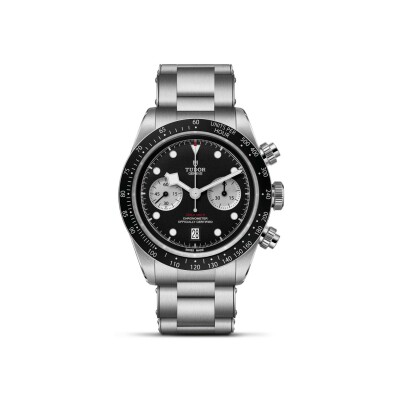
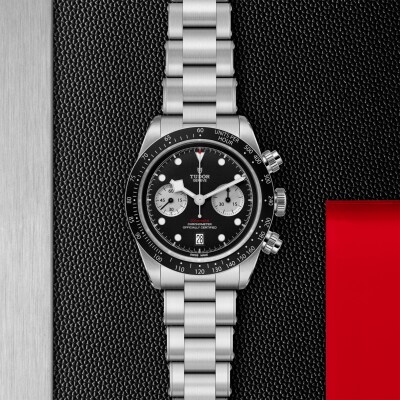
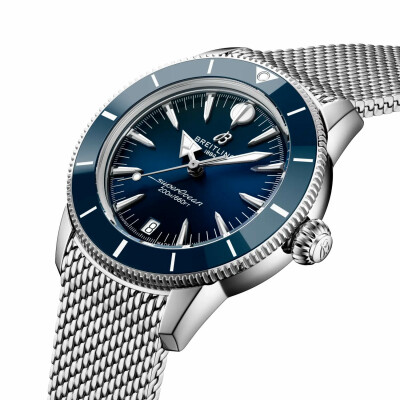
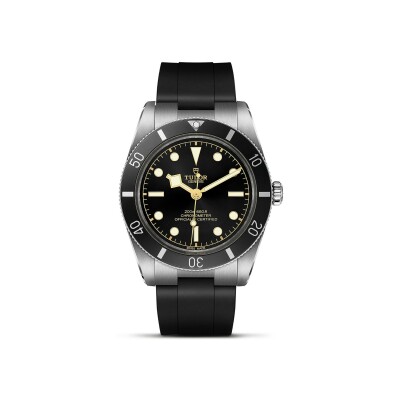
Four criteria guide your choice: water-resistance depth, bezel, strap and diameter. As for water resistance, 200 metres cover all leisure use and snorkeling, 300 m+ targets technical diving, 1,000 m+ with helium valve concerns professional saturation diving. The unidirectional bezel (60 minutes, anti-clockwise) secures dive-time measurement; the ceramic version resists scratches better than aluminium. For the strap, rubber remains the natural diving option, steel ensures land-and-sea versatility, NATO brings a military look. The 40-42 mm diameter remains the reference balance for leisure diving, 42-44 mm for more committed models. Beyond 44 mm, you enter professional or extreme-diving territory where weight and bulk become real trade-offs.
Which diving watch for which profile?
- Leisure diving / snorkeling → 200 m leisure 40 mm
- Pro diver / instructor → 300 m+ with helium valve
- Diving look for daily wear → vintage 39-41 mm on leather
- First sports watch → versatile 200 m leisure
- Saturation / extreme diving → 1,000 m+ pro
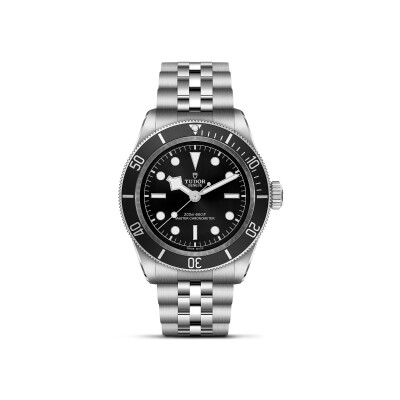
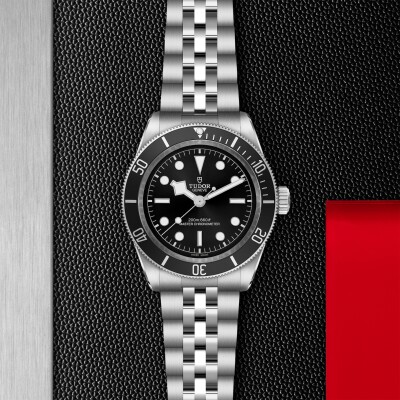
- Gift for collector → iconic reissue (Submariner, Black Bay 58)
The Auberi insight: on the French Riviera, real-world use rarely matches the spec — 9 dives out of 10 stay above 30 metres and a 200 m leisure model is more than enough. 300 m+ becomes relevant only for technical diving.
Frequently asked questions
Which water-resistance depth should I choose?
200 metres cover all leisure use, snorkeling and scuba diving up to 30 m real depth. 300-500 m is needed for technical diving with gas mixes. Beyond 1,000 m with helium valve, we're talking professional saturation diving. For 90% of clients, 200 m is more than enough.
Ceramic or aluminium bezel?
Ceramic resists scratches and keeps its colour for decades, but costs more and can crack on a hard impact. Aluminium develops a patina over time (loved by collectors), scratches more easily but does not break. A choice as much aesthetic as it is technical.
Do I need a helium valve?
Only for saturation diving in a hyperbaric chamber (commercial, military). During decompression, trapped helium must escape without popping the crystal. For classic scuba diving, even deep, the valve is useless — for most divers, it's a marketing argument more than a real need.
Rubber, NATO or steel strap for diving?
Rubber resists salt water and chlorine, dries fast, fits over a wetsuit. Steel stays more versatile on land and at sea but can trap sand. NATO suits outdoor use but protects the case less when submerged. Many divers alternate rubber at sea and steel for daily wear.
Which brands make the best diving watches?
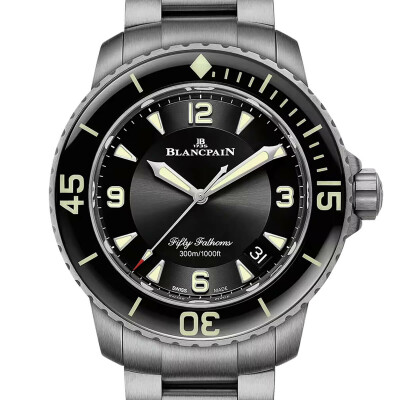
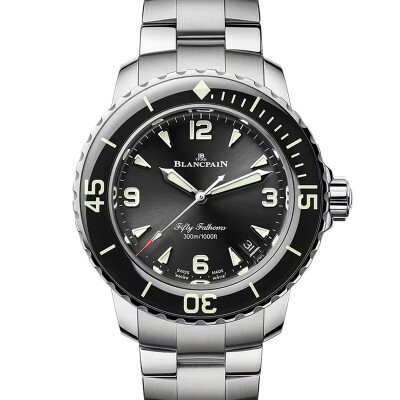
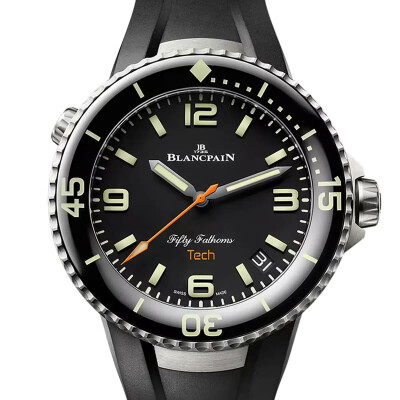
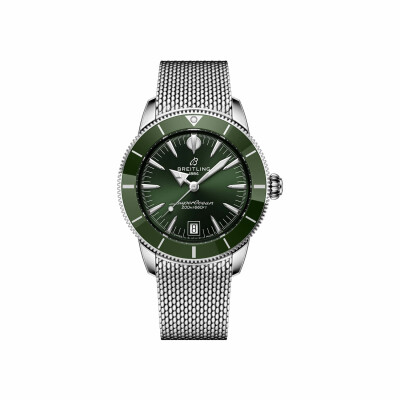
The references: Rolex (Submariner, Sea-Dweller, Deepsea), Tudor (Black Bay, Pelagos), Omega (Seamaster, Planet Ocean), Blancpain (Fifty Fathoms), Breitling (Superocean), Seiko (Prospex). Choice depends on budget, level of diving commitment and the sentimental or heritage value sought.
Read more

Customer service Monday to Friday, from 9am to 5pm

Click & Collect Available in store in St Laurent du Var

Secure paymentSecure transaction and installment payments available

Free delivery Shipping within 48 hours and returns within 14 days

Free gift wrappingPrepared with care, ready to give

Pay in 3, 4 or 10 installmentsEnjoy secure instalment payments with Alma
 Back
Back