Chronograph watches
Filter results

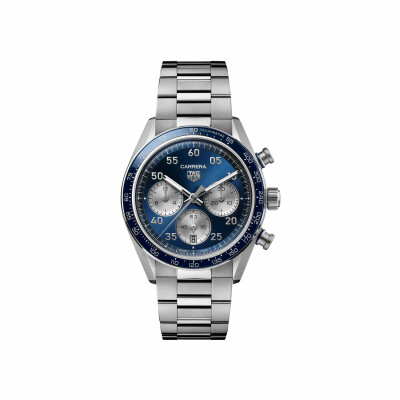
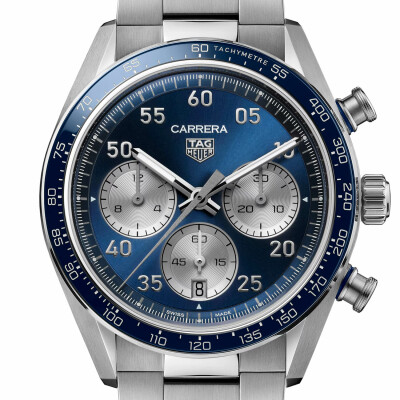
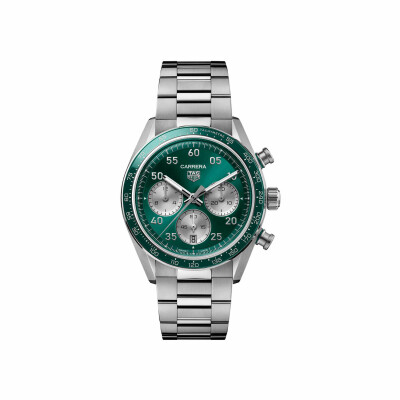
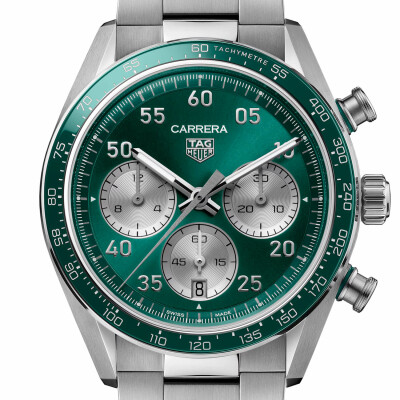
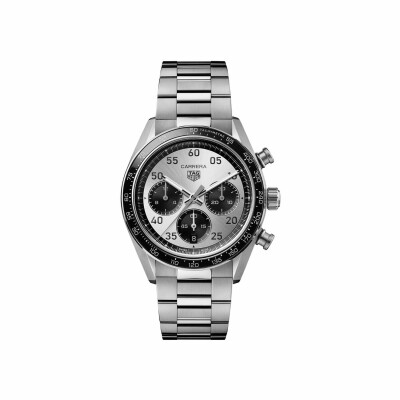
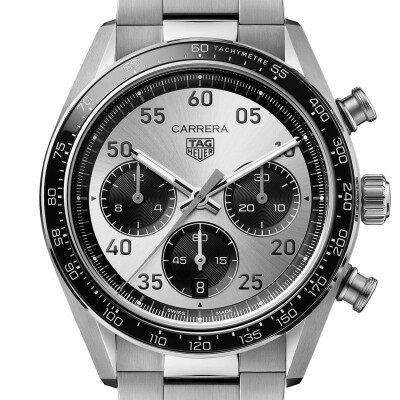
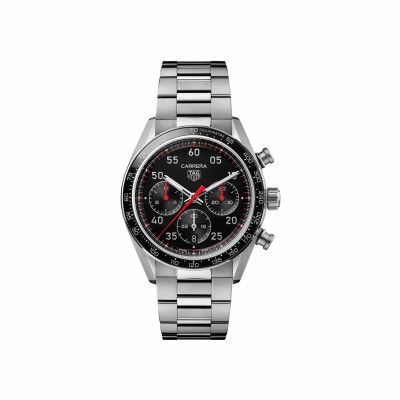
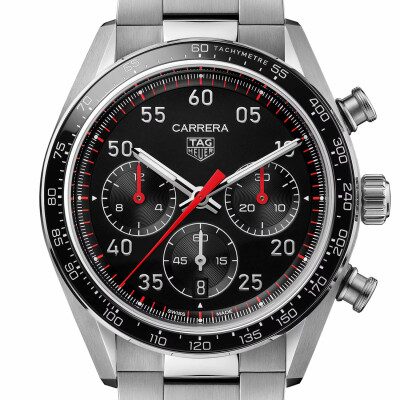


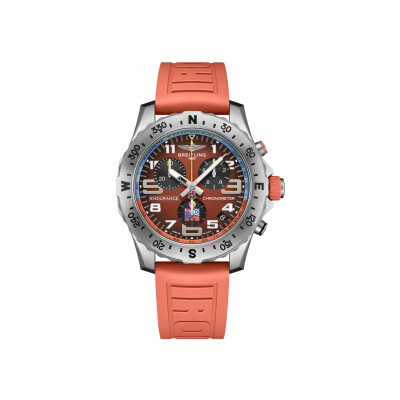
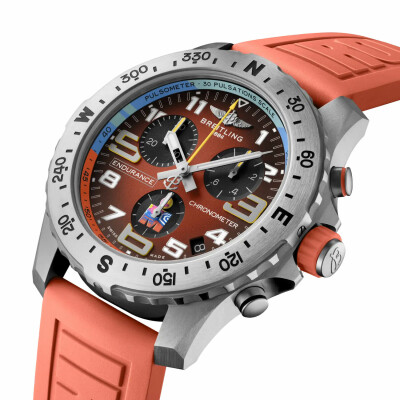
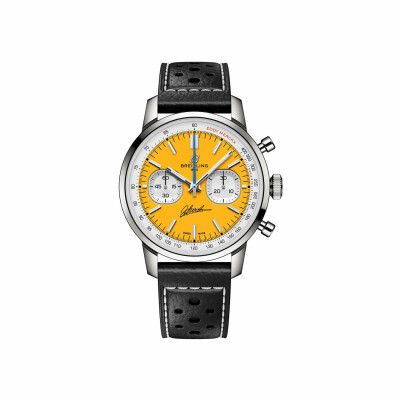
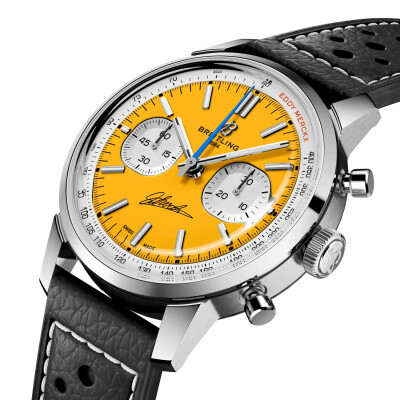



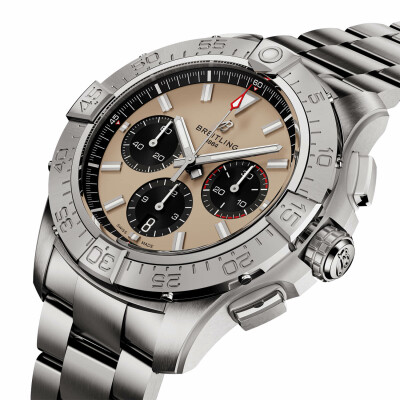


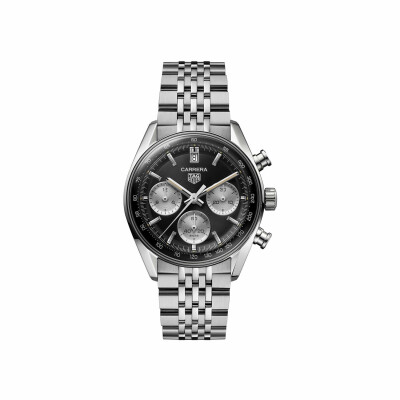
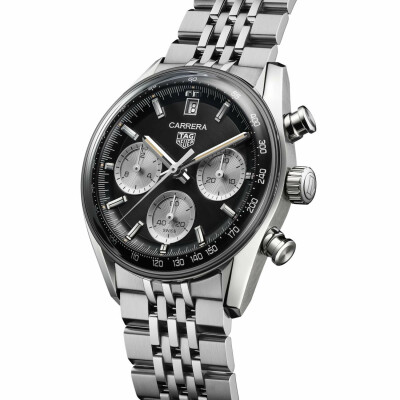
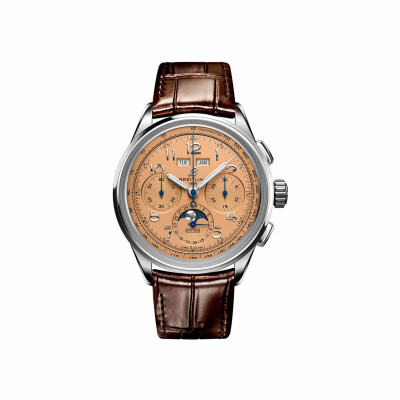
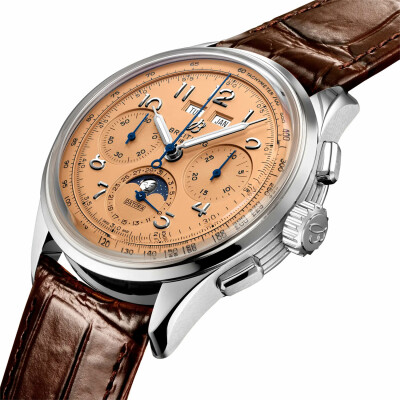
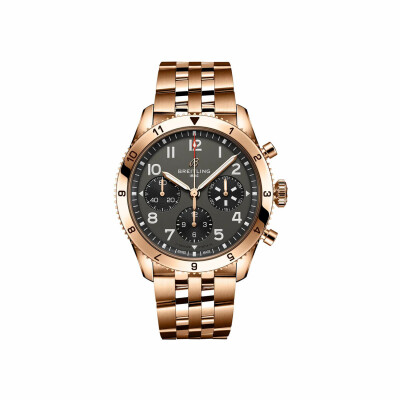
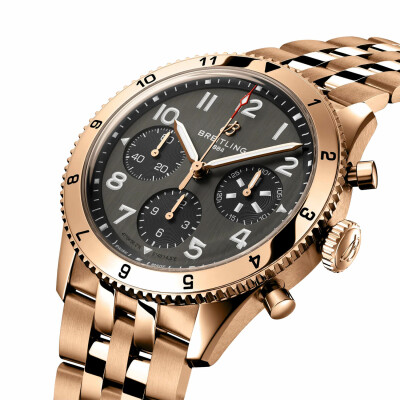
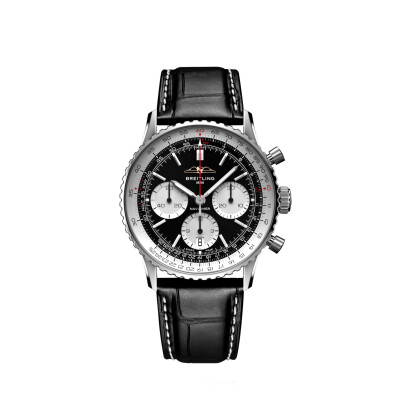
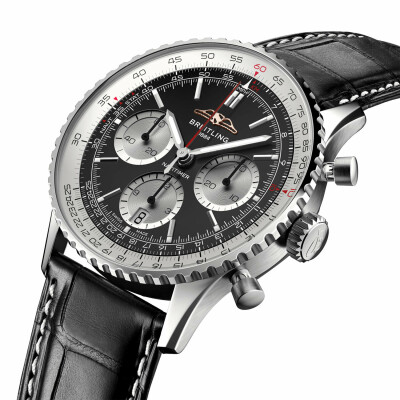
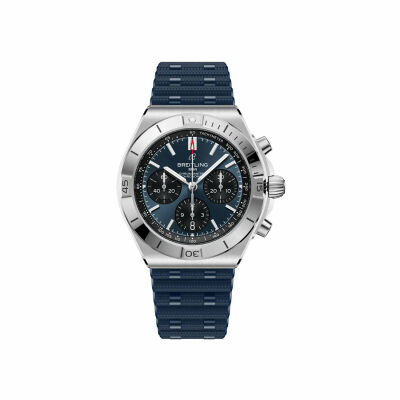
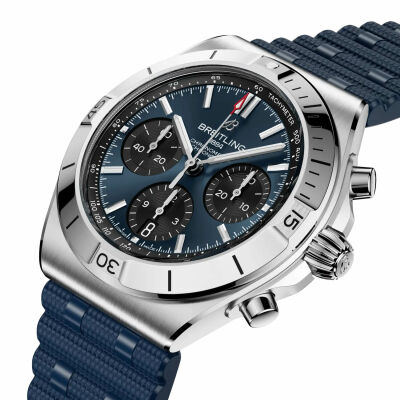
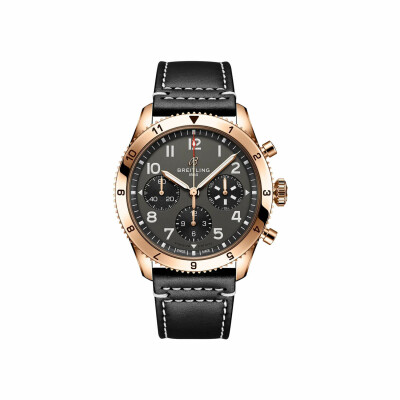
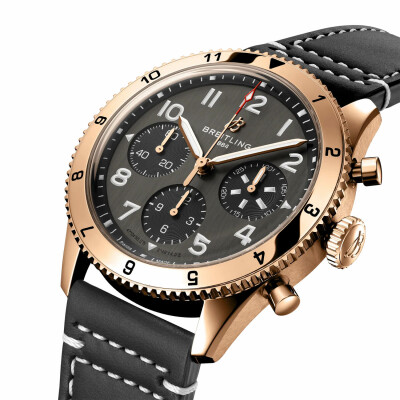
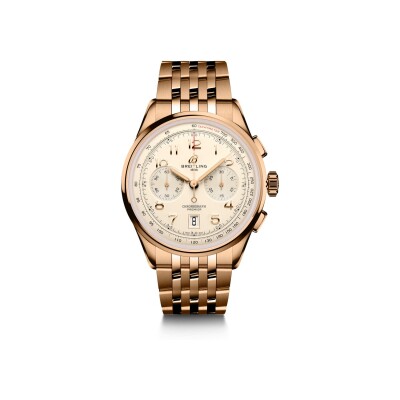
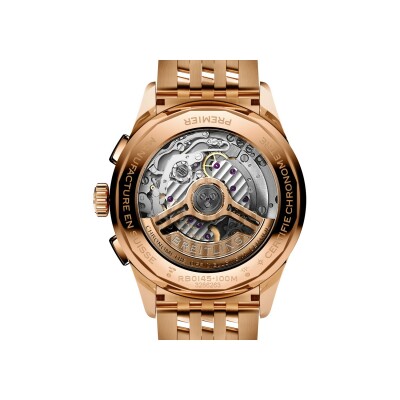


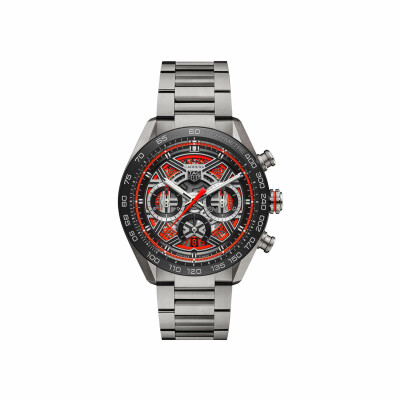
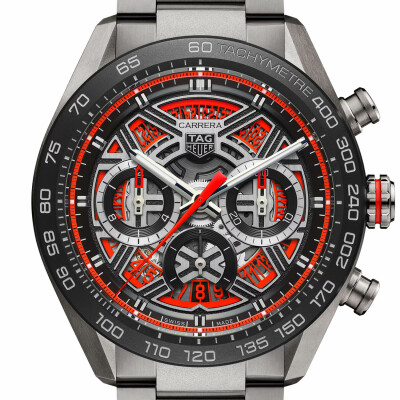
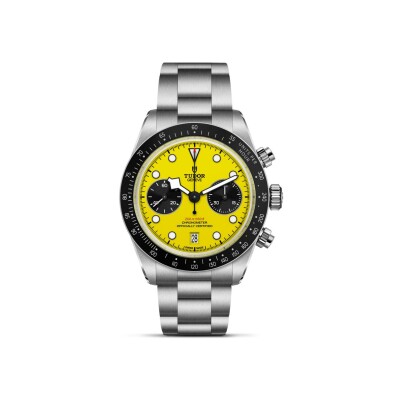
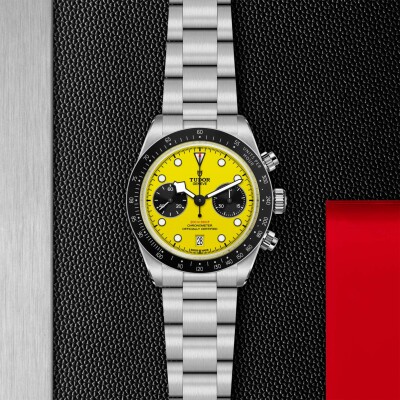
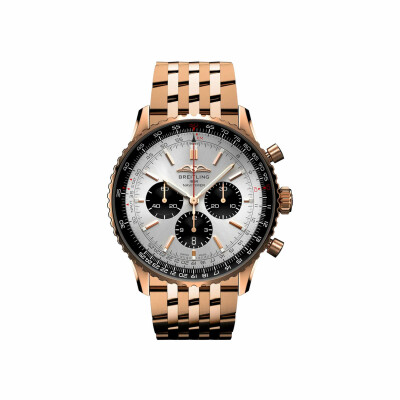
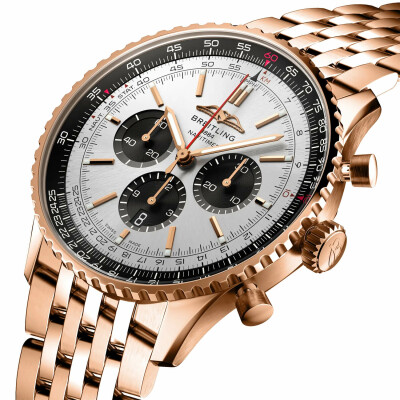
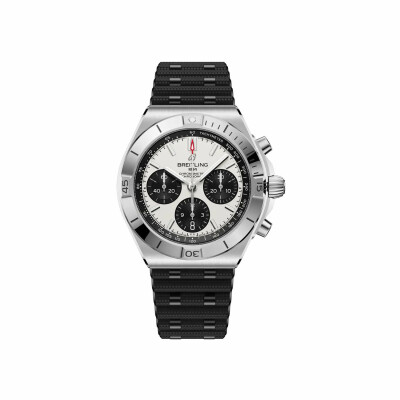
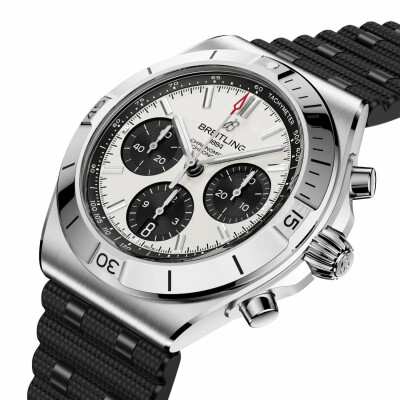
How to choose a chronograph watch?
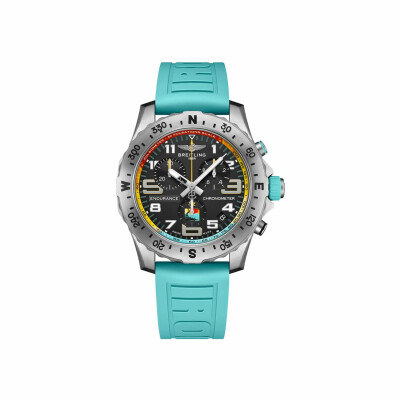
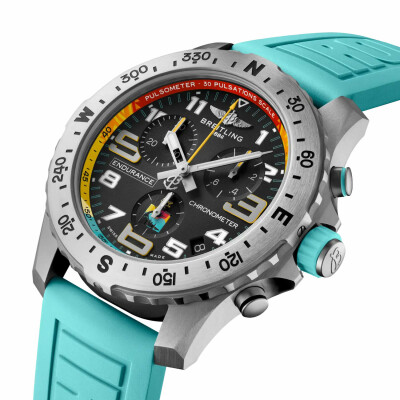
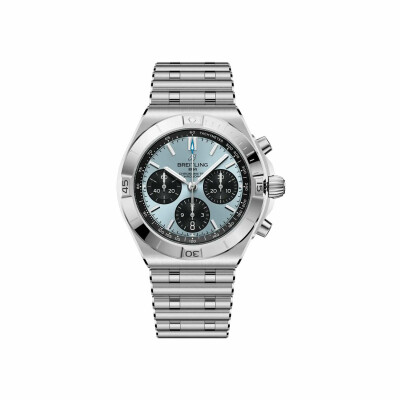
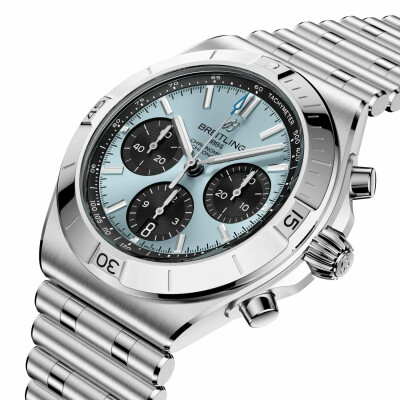
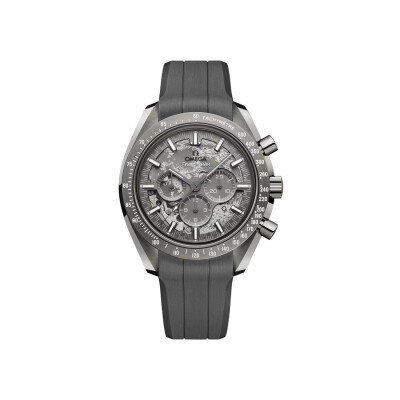
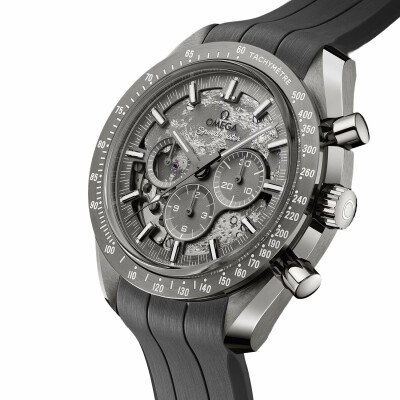
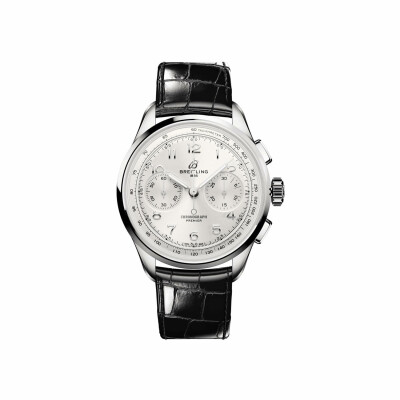
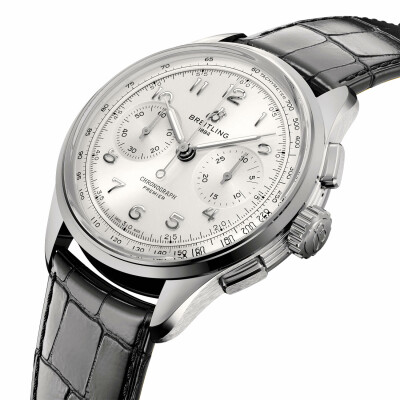
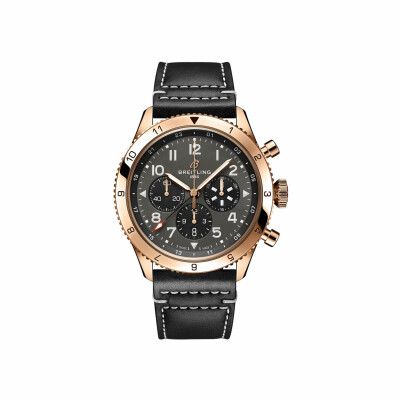
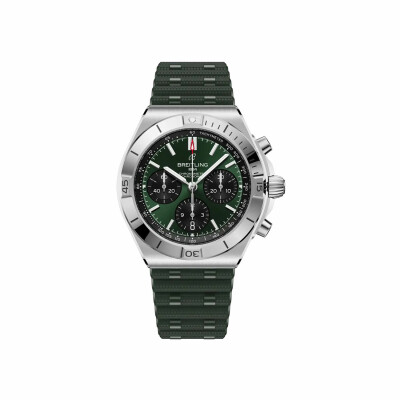
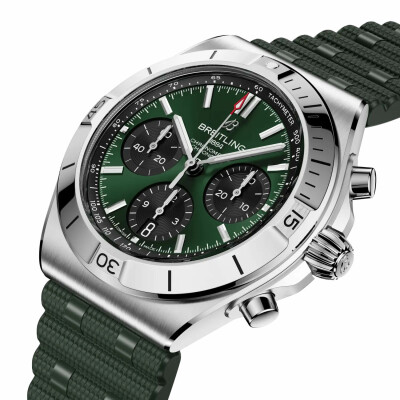
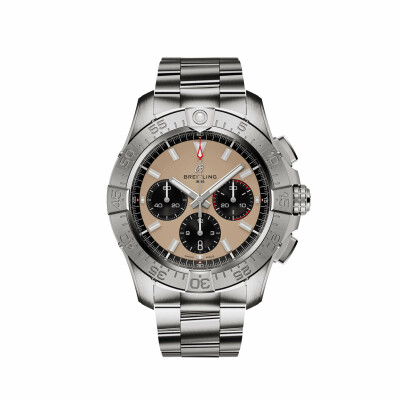
Four criteria guide your choice: movement type, sub-dial layout, functions and diameter. As for movement, the modular chronograph adds the chrono module to an existing three-hand calibre; the integrated manufacture chrono (Daytona, Speedmaster, El Primero) is designed as one piece and stays more prestigious. For sub-dials, the classic 3 sub-dials (hours, minutes, seconds) is versatile; the 2 sub-dials (minutes + small seconds) signs vintage elegance. As for functions, flyback resets the chrono in a single gesture, split-seconds measures two simultaneous times. Recommended diameter: 39-42 mm for daily classic wear, 42-44 mm for sport or racing.
Which chronograph for which profile?
- First chrono → 41-42 mm sport, 3 sub-dials
- Motorsport enthusiast → racing chrono with tachymeter
- Classic style → 39-41 mm chrono, 2 sub-dials, leather
- Watchmaking enthusiast → integrated manufacture chrono
- Collector → split-seconds (rattrapante)
- Mixed watchmaking style → moonphase chrono 40-42 mm
The Auberi insight: the chronograph accounts for nearly 30% of our men's sales, it is the most-bought complication, ahead of GMT and date. The versatile 3-counter, sport or racing, remains the dominant format.
Frequently asked questions
What is a chronograph for?
A chronograph is an independent mechanism that measures durations: you start, stop, reset with two pushers. Inherited from motor racing and aviation, it serves to time an effort, a cooking session, a journey — or simply to show off a beautiful mechanism in action.
How many sub-dials (2 or 3)?
3 sub-dials display chrono hours, minutes and seconds separately: the modern versatile format. 2 sub-dials (minutes + small seconds) signs vintage style and a cleaner dial. For technical use, prefer 3; for dressy aesthetics, choose 2 sub-dials with leather strap.
Modular or integrated chronograph movement?
Modular adds the chrono to an existing movement: more accessible, reliable, but thicker. Integrated (manufacture, Daytona or Speedmaster type) is built as one piece: thinner, more prestigious, more expensive. For a first chrono, modular is plenty; to collect, choose integrated.
What is flyback or split-seconds?
Flyback resets the chronograph in a single gesture, without going through stop then reset — useful in navigation. Split-seconds (rattrapante) adds a second superimposed hand to measure two simultaneous times: the most complex and rare chronograph complication.
What budget for an automatic chronograph?
Expect from €1,500-€2,500 for an entry-level modular chrono (Tudor, Tag Heuer, Hamilton). €6,000 to €12,000 for a manufacture (Omega Speedmaster, Zenith El Primero, IWC). Beyond €15,000 for Rolex Daytona or haute-horlogerie chronographs.
Full guide: how to choose a chronograph watch →
Read more

Customer service Monday to Friday, from 9am to 5pm

Click & Collect Available in store in St Laurent du Var

Secure paymentSecure transaction and installment payments available

Free delivery Shipping within 48 hours and returns within 14 days

Free gift wrappingPrepared with care, ready to give

Pay in 3, 4 or 10 installmentsEnjoy secure instalment payments with Alma
 Back
Back